
Lowest cost to build
Wood Deck Builder in DuPage County and the NW Suburbs
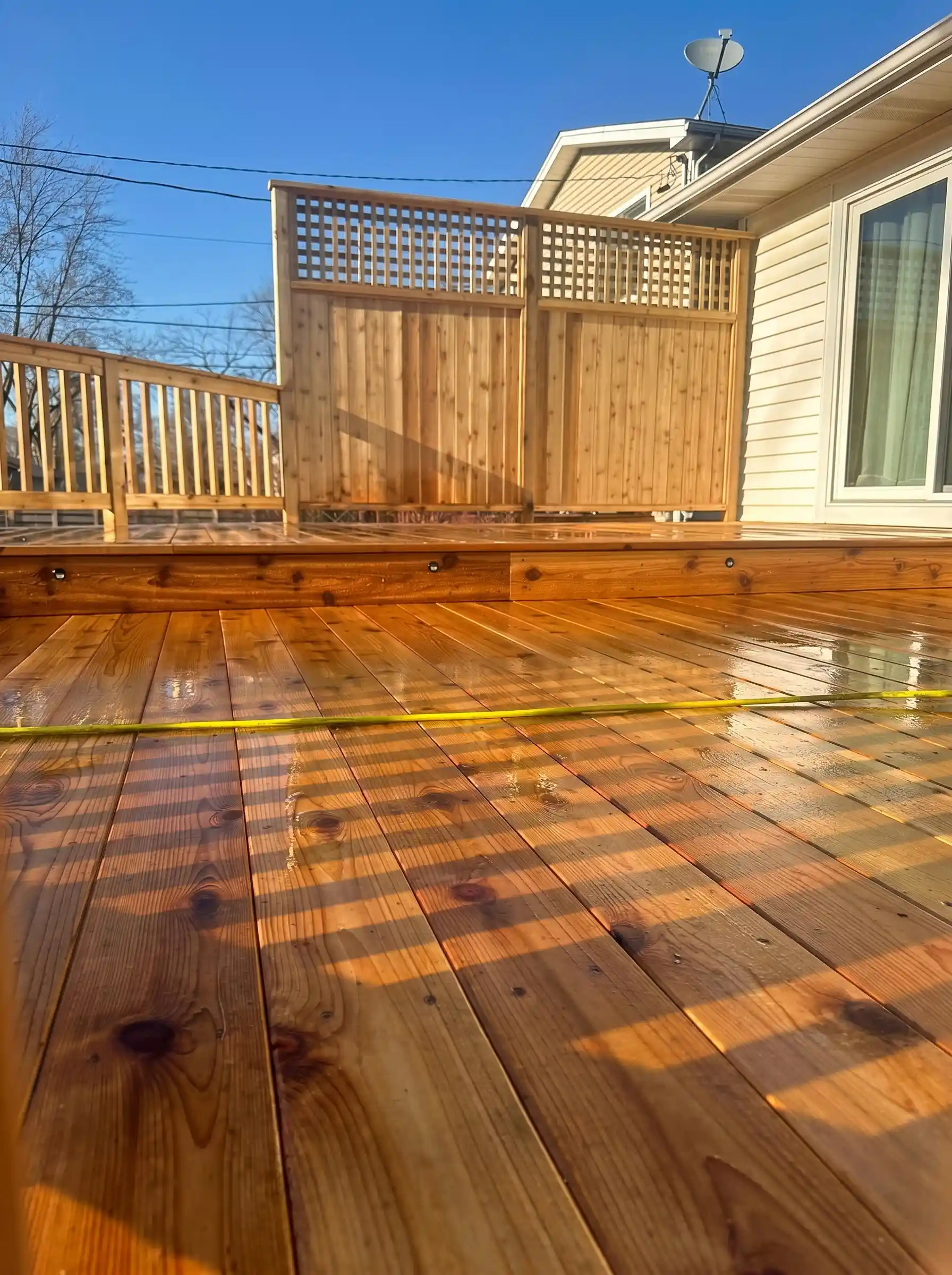
Real cedar and pressure-treated decks from a wood deck builder whose crew still works in timber. Most deck companies around here dropped it. We did not.
No obligation and no pressure. We walk the yard, talk through options, and give you a written price.
Quick answer
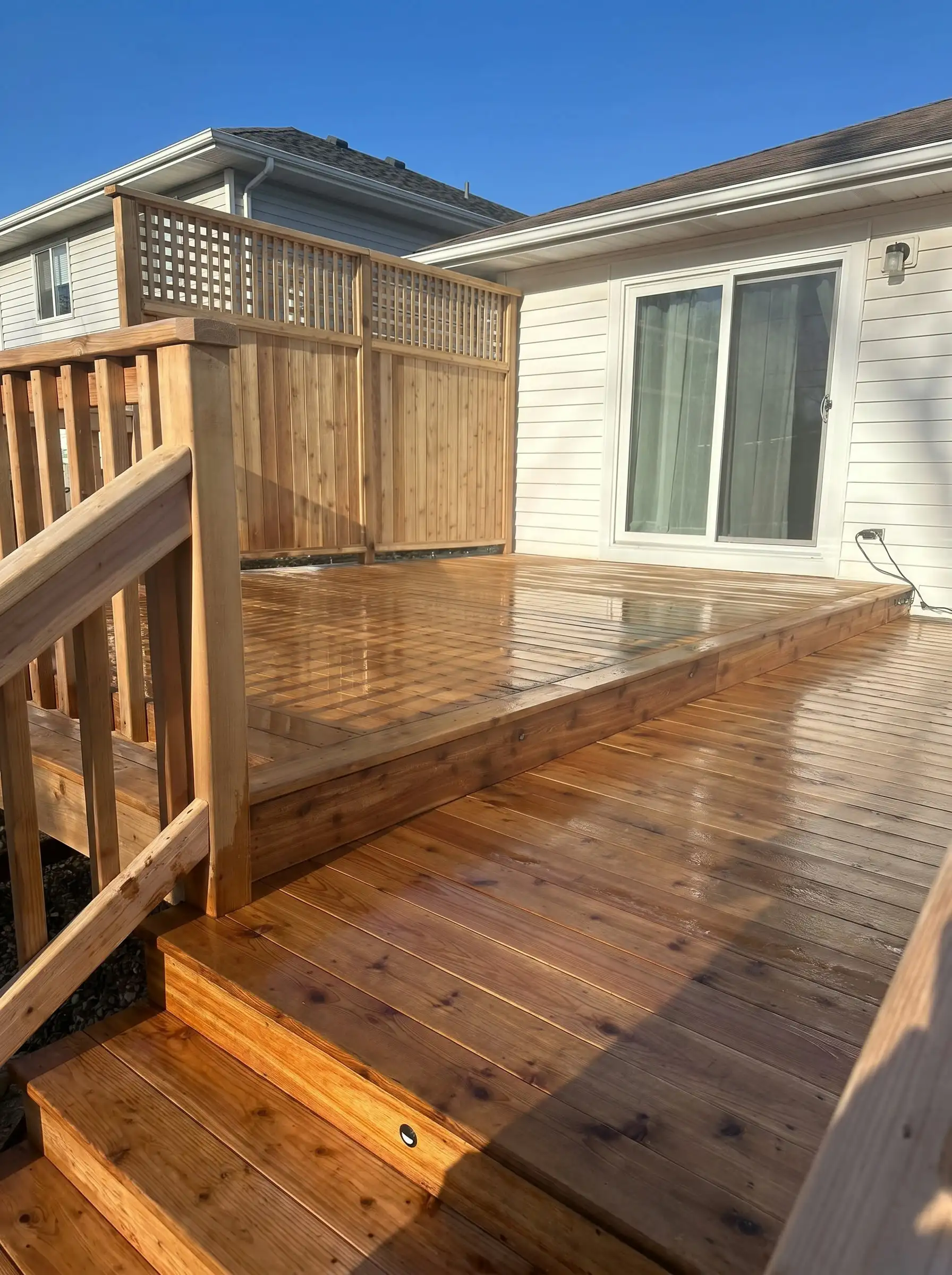
Cedar runs $40 to $60 per square foot installed and pressure-treated runs $30 to $45. Both last 15 to 20 years and both want a clean and re-coat every 2 to 4 years. Cedar costs more, and it does not check and splinter underfoot the way treated pine does. We build in both. Get a free estimate.
Why wood is still the right call for a lot of yards
The most deck for the money
Wood costs less per square foot than composite, so the same budget buys you a bigger deck. For large spaces that difference is thousands, not hundreds.
It looks like wood because it is
Composite has come a long way, but nothing matches real cedar grain up close. If you want warmth and a natural look, wood still wins.
Easy to repair board by board
A damaged wood board is a cheap, fast swap you can even do yourself. Wood is the most forgiving surface to live with over twenty years.
Cedar or pressure-treated? Here is the honest difference
Cedar, for the look and the feel
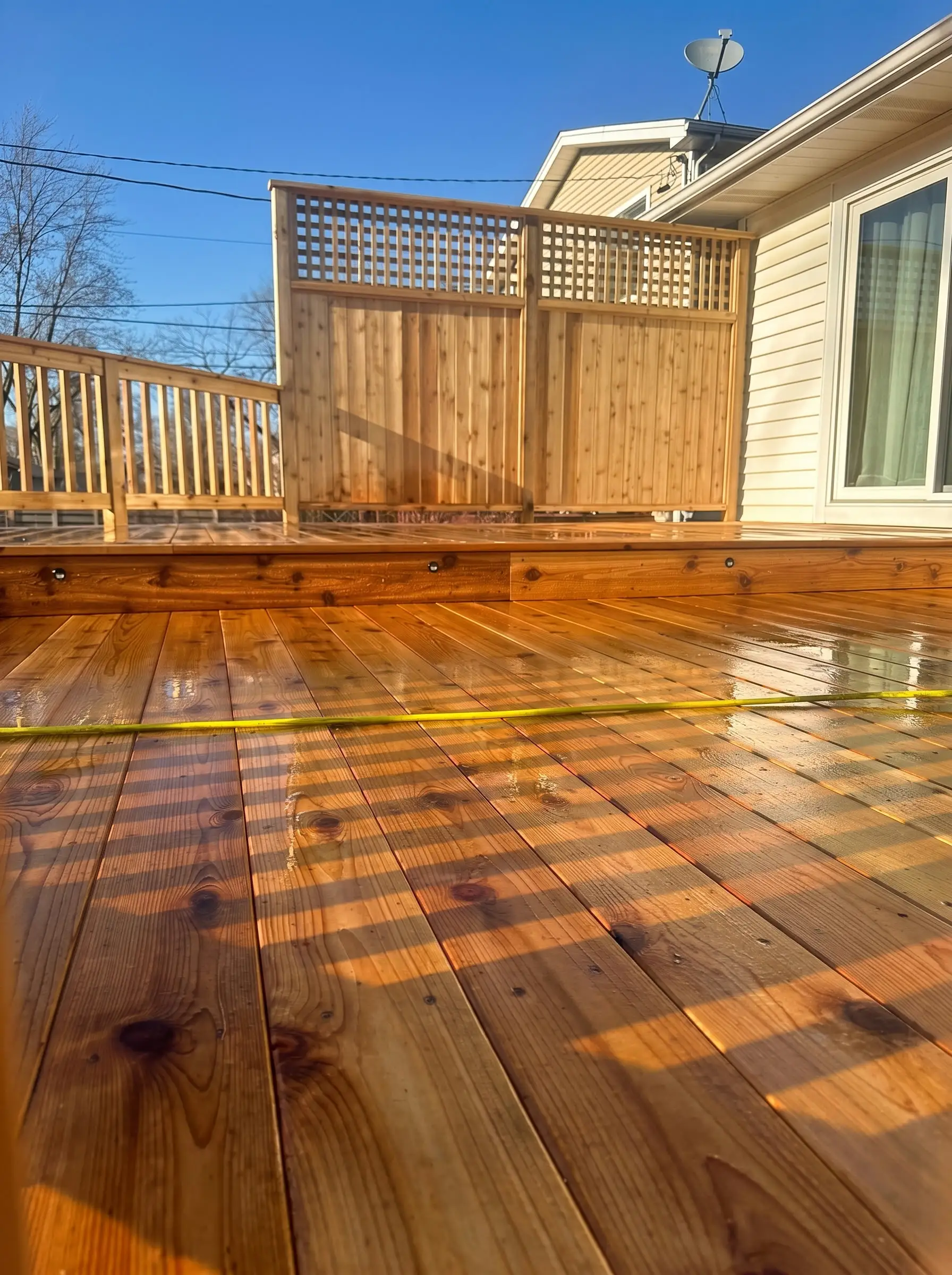
Cedar is naturally resistant to rot and insects, so it holds up outside without chemical treatment. It sits lighter underfoot and stays cooler than composite in summer sun.
The trade is upkeep. Cedar wants a clean and a re-coat every two to four years to keep the color. Skip that and it silvers out to grey, which some homeowners actually prefer.
Cedar is the pick when the deck is the centerpiece and you do not mind a weekend of maintenance every few years.
Pressure-treated, the budget workhorse
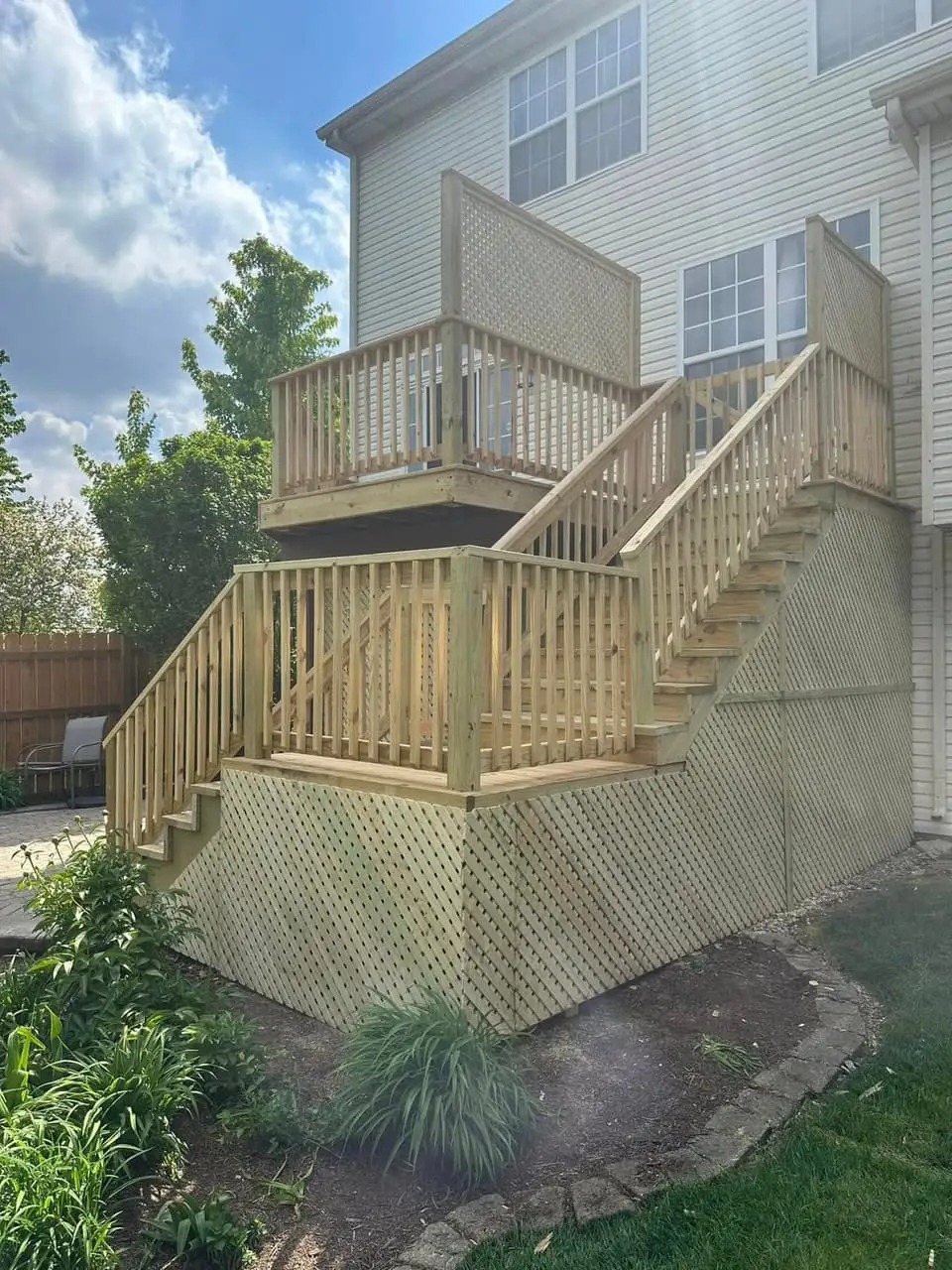
Pressure-treated pine is what most deck frames in this area are made of, including the frames under composite decks. Used as a surface it is by far the cheapest way to get a real deck built.
It needs a season to dry before it takes stain, and it wants a re-coat on the same rhythm as cedar. Board for board it will not look as refined as cedar. It will hold up fine.
If you want the low-upkeep route instead, compare against composite and Trex.
Wood does not mean a cheaper build
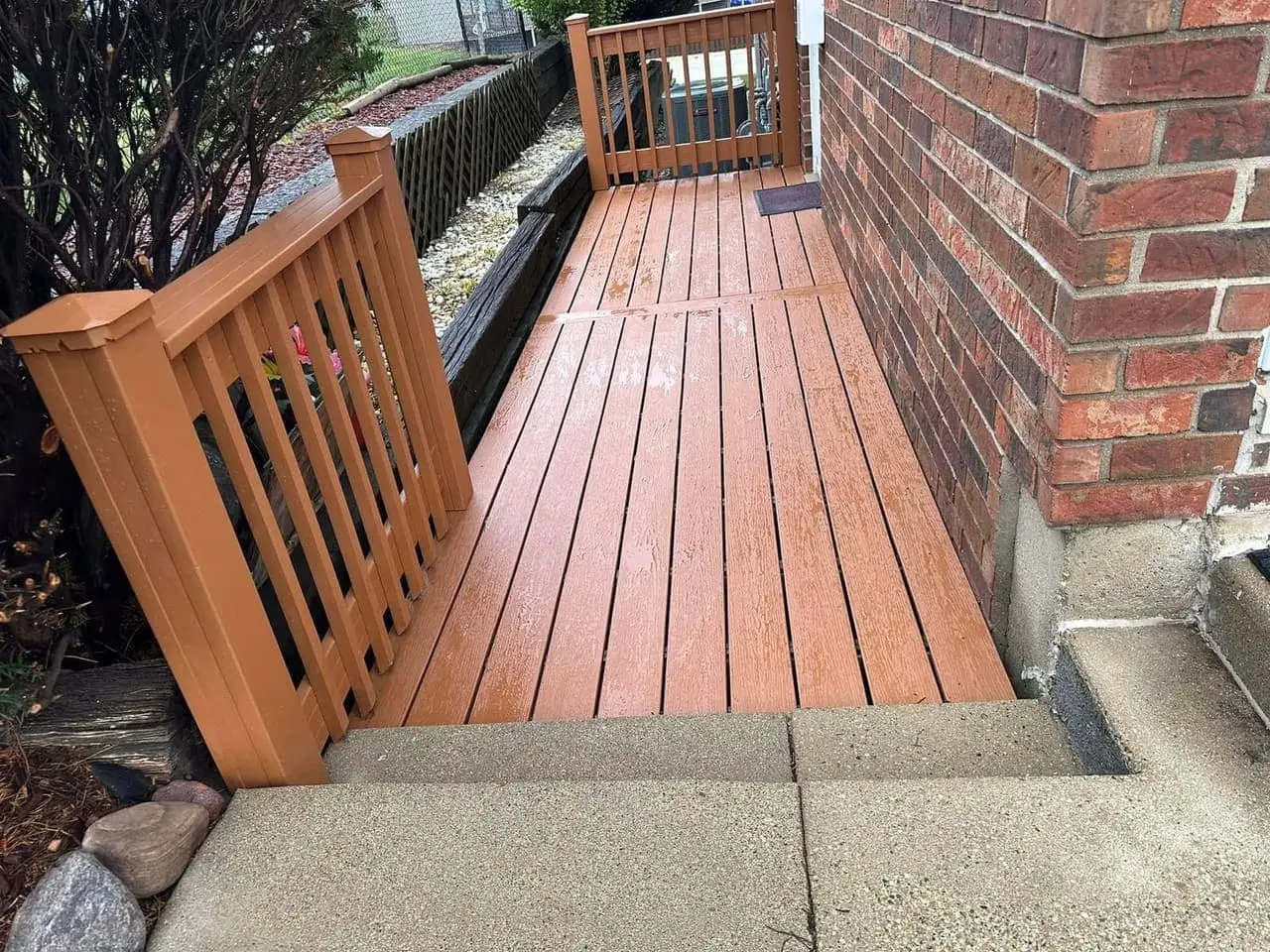
This is the part that matters. A wood deck still gets code-depth footings, a pressure-treated frame and proper flashing where it meets the house.
The material is cheaper. The build is not different. We frame a cedar deck exactly the way we frame a composite one, because the frame is what fails first when someone cuts corners.
That is also why a lot of wood decks in this area are ready for re-decking rather than full replacement. The structure often outlives the surface.
How a wood deck build runs
Free on-site estimate
We measure the space and talk through cedar versus pressure-treated with real numbers for both, so you can see the difference before you decide.
Permit and plan
We file with your village and handle the inspection schedule. The permit wait is usually longer than the build.
Footings and frame
Code-depth footings, pressure-treated frame, proper ledger flashing at the house. Same structural standard as every deck we build.
Decking and finish
Boards go down by hand and get fastened flat. We tell you when the wood is ready for its first coat, which for pressure-treated is usually the following season.
Cedar and Wood Deck Building across DuPage County and the northwest suburbs
We're based in Roselle and build in these towns every week.
Related deck services
Composite & Trex Decks
Costs more up front, asks nothing of you after. Worth comparing side by side.
Learn moreNew Deck Construction
Building from bare grass? Here is how the whole project runs, start to finish.
Learn moreDeck Railings
Wood, aluminum or cable. Railings change the look of a wood deck more than the boards do.
Learn moreDecks we have rebuilt
Drag the handle to see what these looked like before we started. Same crew, same standard, whichever service you need.
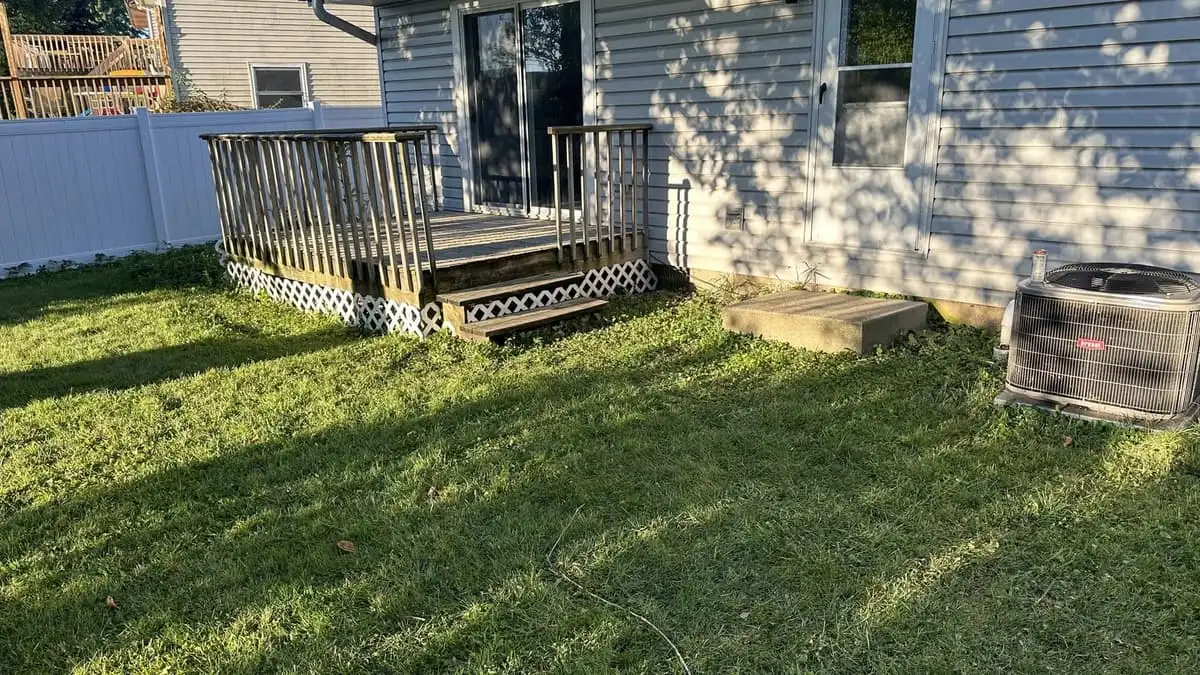
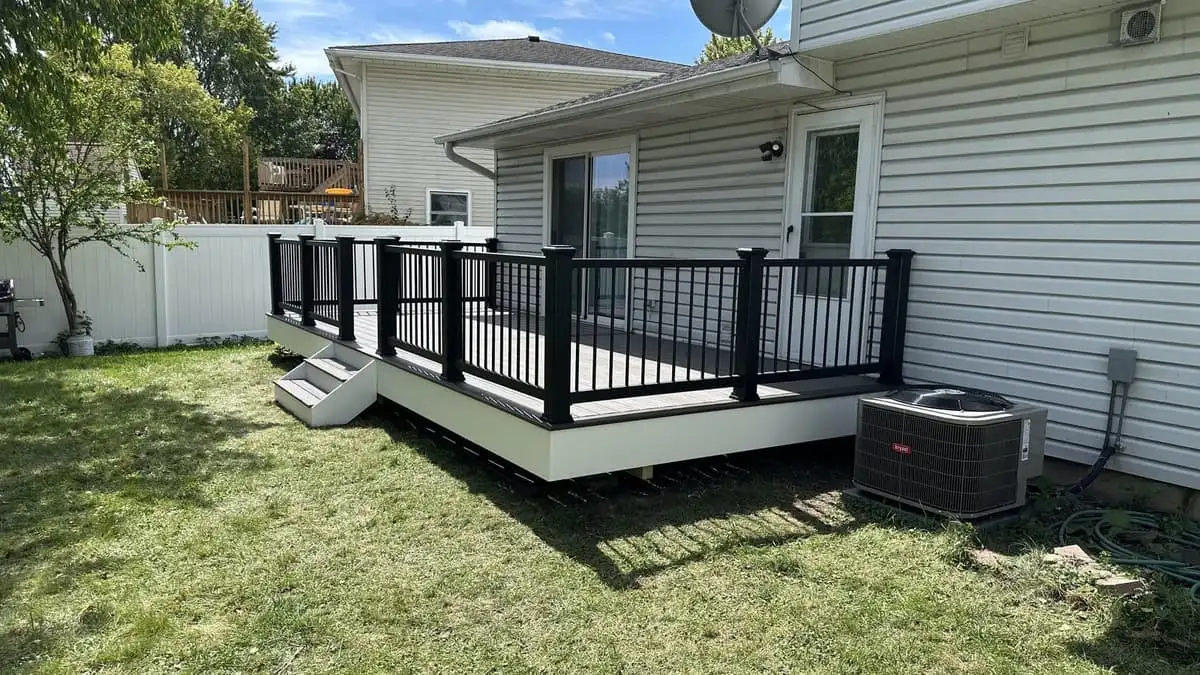
Streamwood, IL. An old, low wood deck replaced with a bright white composite deck and black aluminum railings.
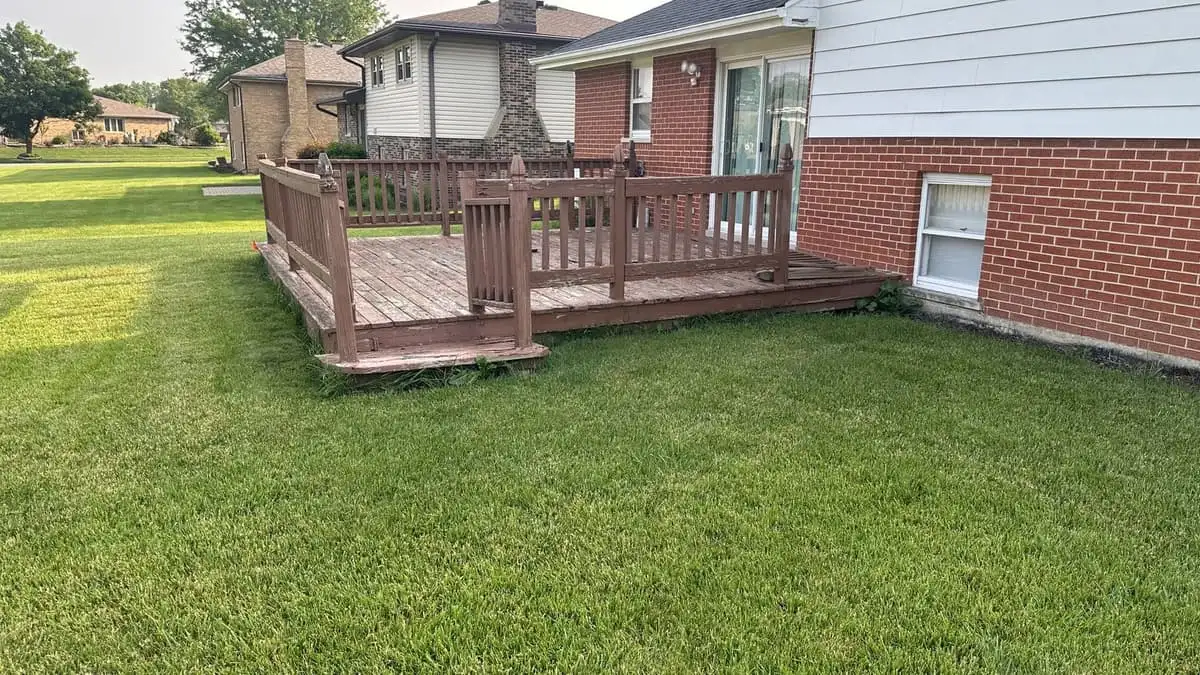
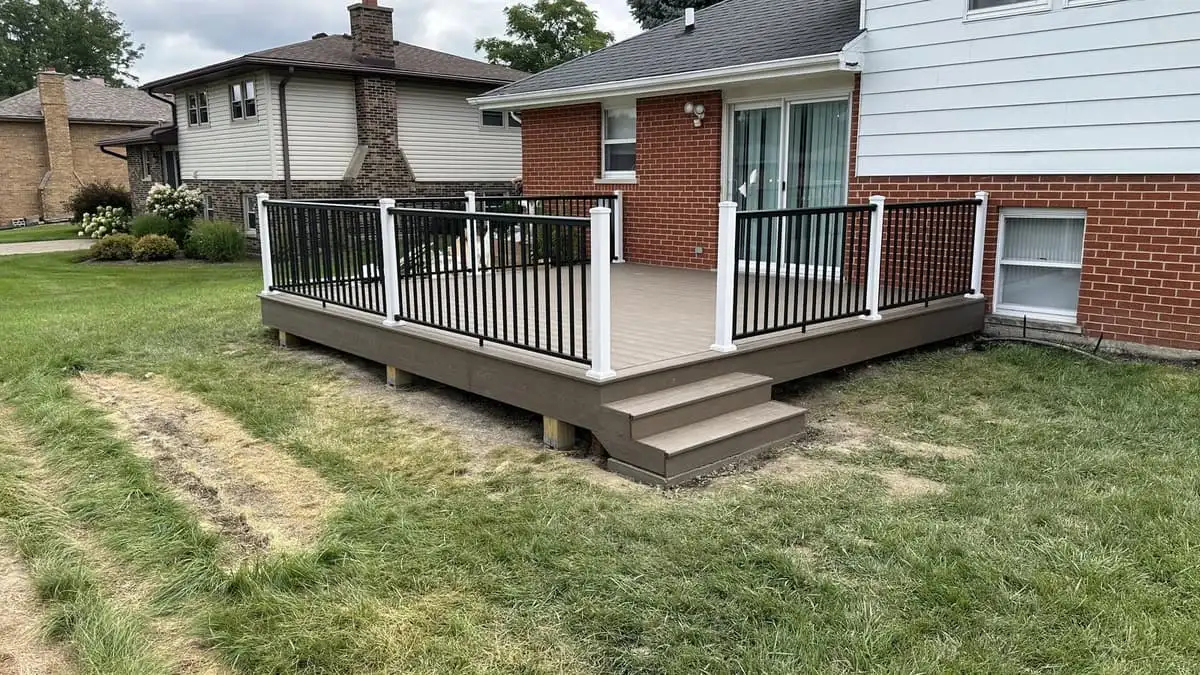
Hanover Park, IL. A dated red wood deck rebuilt in warm composite with white posts and black railings.
Cedar and wood decking questions
Is a cedar deck cheaper than composite?
Yes, to build. Cedar and pressure-treated cost less per square foot than composite, so the same budget buys a bigger deck. Over twenty years the gap narrows once you count staining and re-coating. If the up-front number is the constraint, wood is the answer.
How often does a cedar deck need to be re-coated?
Every two to four years for most decks in this climate, depending on sun and traffic. A deck that bakes in full afternoon sun needs it sooner than one under tree cover. Left alone, cedar does not rot, it just weathers to a silver grey.
Do you still build pressure-treated decks?
Yes. A lot of builders in this area only sell composite now, because it is the bigger ticket. We still build in pressure-treated and cedar, and for plenty of yards it is the right call.
Can I stain a new pressure-treated deck right away?
No, and this is where people go wrong. New pressure-treated lumber holds mill moisture and will not take stain properly. Give it a season to dry out, then clean it and coat it. Cedar can usually be finished much sooner.
How long does a wood deck last?
A properly built and maintained cedar deck commonly runs 15 to 20 years on the surface, and the pressure-treated frame under it lasts longer. Neglected wood fails much sooner, which is why the re-coat schedule matters more than the species you picked.
Which lasts longer, cedar or pressure-treated?
Pressure-treated is chemically protected and generally lasts longer against rot, especially in ground contact, which is why we frame with it. Cedar looks better and feels better underfoot. Most homeowners frame in pressure-treated and surface in cedar.
Get a price on a real wood deck
We will price cedar and pressure-treated side by side so you can see the real difference. Free on-site estimate, no pressure.